
Feeding Minds Before Teaching Minds
“Feeding Minds Before Teaching Minds”: From School Health Evidence to Action at ANLG
At Abeokuta North Local Government (ANLG) Nursery and Primary School, this truth moved from principle to practice through evidence generated under a comprehensive School Health Programme (SHP) implemented by CeSAHA.
The SHP was designed as a holistic intervention addressing the interlinked determinants of child health, well-being, and learning. As part of the programme, CeSAHA conducted health status assessments, including a nutritional status assessment, to better understand factors influencing pupils’ readiness to learn.
Health and Nutritional Status within the SHP
The nutritional status component of the SHP involved basic anthropometric measurements, including weight and height, with appropriate calculations to inform an overall understanding of pupils’ growth patterns and nutritional wellbeing. These data were interpreted alongside classroom observations, attendance patterns, and broader school health indicators.
Consistent with global evidence, the SHP findings reinforced the central role of adequate nutrition as a prerequisite for effective learning, attention, and classroom participation (World Food Programme, 2020; Bundy et al., Disease Control Priorities, 2018).
From SHP Evidence to Practical Action
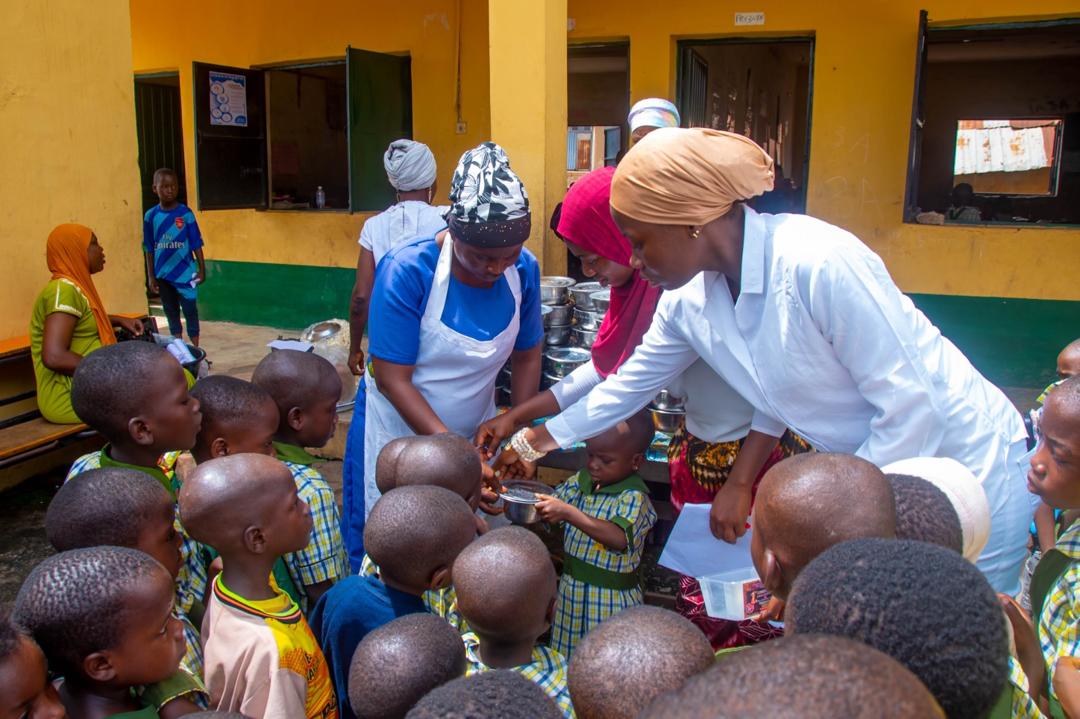
Based on insights generated from the SHP, CeSAHA recommended the introduction of a structured daily school feeding intervention as part of a comprehensive response to health-related barriers to learning.
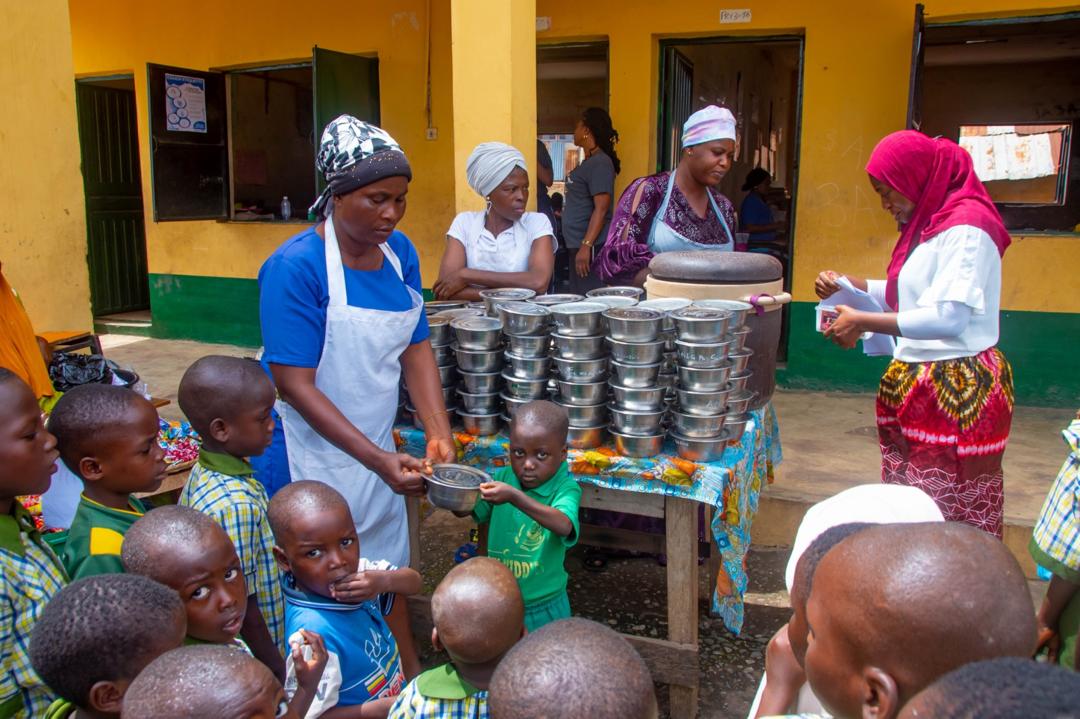
In alignment with this recommendation, the “A Meal a Day” initiative was introduced at ANLG Nursery and Primary School, with the sponsorship of the Olowu of Owu. Verified photographs and video feedback confirm that pupils are now receiving daily meals during the school day—representing a tangible translation of SHP evidence into action.
Why School Feeding Matters
School feeding programmes are widely recognized as effective, high-value interventions that:
support attention and classroom engagement,
Improve attendance and retention, and
Contribute to child health and overall wellbeing, particularly in resource-constrained settings (World Food Programme, 2020).
Nutrition is therefore not an adjunct to education policy; it is foundational to it.
Evaluation and Learning
As part of its commitment to accountability and learning, in the coming months, CeSAHA shall carry out a structured evaluation of the outcomes and potential impact of the “A Meal a Day” initiative, examining:
changes in pupils’ nutritional status over time, and
selected indicators of educational performance, including attendance, engagement, and learning readiness.
Findings from this evaluation will inform programme refinement, shared learning, and decisions regarding replicability, scale-up and, more importantly, sustainability.
A Shared Responsibility
CeSAHA commends the Olowu of Owu for this impactful leadership and community-centred investment. The “A Meal a Day” initiative aligns fully with CeSAHA’s School Health Programme framework, which recognizes that healthy children learn better, and learning flourishes where health is protected.

“When children are fed, their potential is fed. Only then can teaching truly take root.”
